Travel · Parked cars · Battery care
Leaving Your Car Parked While You Travel? Protect the Battery
8 November 2026
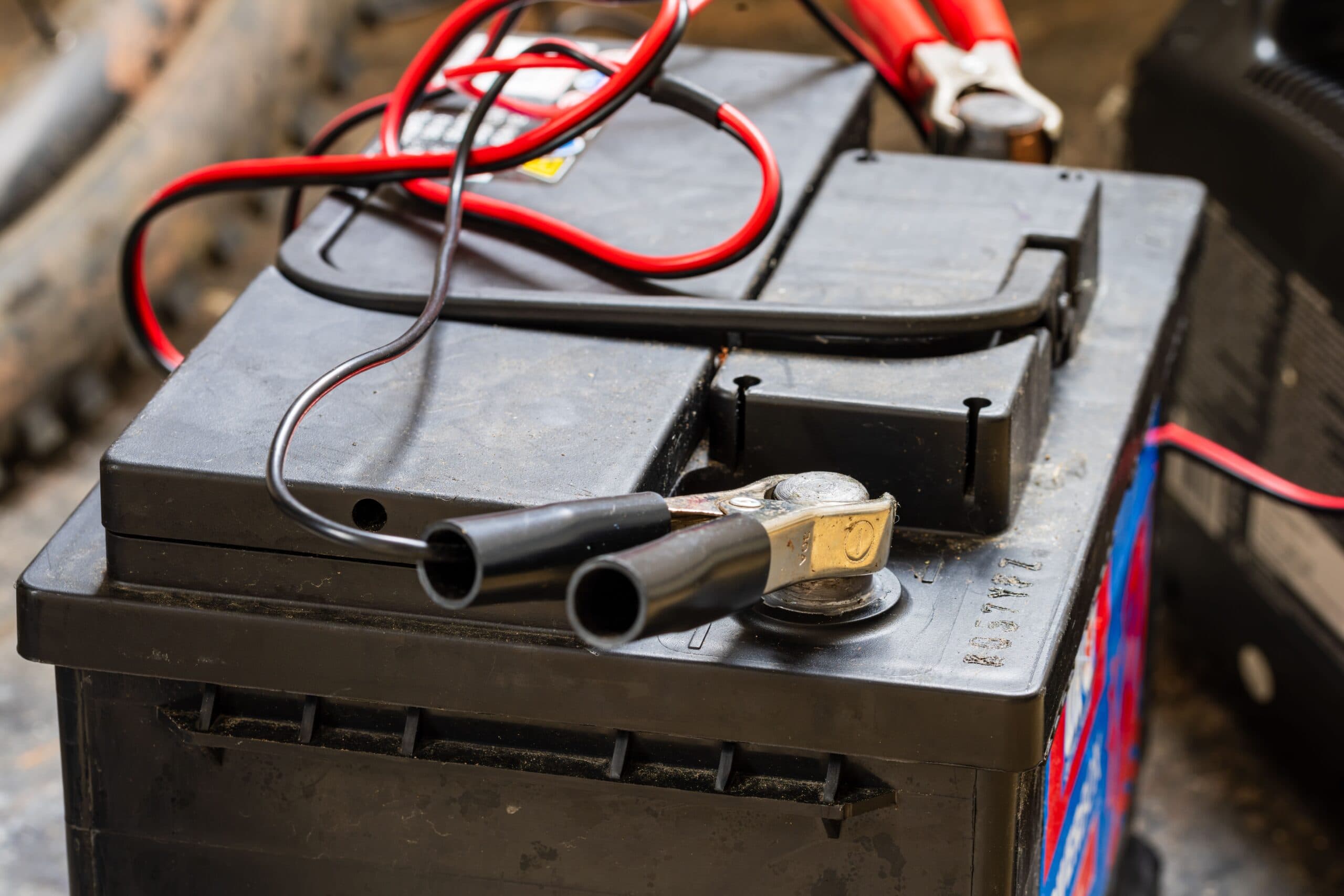
For a lot of UAE drivers, a long trip abroad ends the same way every year: luggage in the boot, key turned, and nothing but a click. A car that sits unused for two, three or six weeks is still drawing power the whole time, and in this climate the battery has less in reserve to give.
Most of these flat batteries are avoidable with a few minutes of preparation before you fly. Here's what actually helps, and what to do if the car won't start when you get back.
Why a parked car still drains its battery
Modern cars never fully switch off. The alarm, central locking receiver, engine computer and keyless-entry system all draw a small current around the clock. On a healthy battery that is manageable for a couple of weeks, but add a hardwired dash cam, an aftermarket tracker or a battery already weakened by summer heat and the margin shrinks quickly.
Get the battery tested before you travel
A battery that starts the car every morning can still be close to the end of its life — daily driving keeps it topped up and hides the weakness. A quick load test before a long trip tells you whether it can survive weeks without charging. If it's borderline, replacing it before you leave saves you a stranded first morning back.
Switch off anything that keeps the car awake
Disable parking mode on dash cams, unplug phone chargers and other accessories, and check that the interior, boot and glovebox lights are off. Close every door, the boot and the bonnet firmly — one that isn't fully latched can keep the car's electronics awake for hours.
Keep the key away from the car
On keyless-entry cars, a key left within range — in a bag inside the car, or in a hallway next to a ground-floor parking bay — can keep waking the car's receiver and draining power. Store the key well away from the vehicle while you're gone.
Ask someone to drive it, not just start it
If a friend or family member can help, a 20–30 minute drive once a week is the best thing for the battery. Starting the engine and letting it idle for five minutes often uses more charge than it puts back, especially with the AC running.
Disconnecting the battery: when it makes sense
For trips of a month or longer with no one to drive the car, disconnecting the negative terminal stops almost all drain. On many cars this resets the clock, radio presets and sometimes window or idle settings, and some vehicles need a radio code or relearn procedure afterwards. If you're unsure, check the owner's manual or ask a technician.
Don't forget the heat and the tyres
Weeks in an open car park under the UAE sun are hard on more than the battery. Use a windscreen sunshade, choose covered or basement parking where you can, and check tyre pressures when you return — tyres slowly lose pressure while parked, and driving on soft tyres in the heat increases wear and blowout risk.
Back home and the car won't start?
Don't keep turning the key — repeated cranking on a flat battery strains the starter and rarely works. A jumpstart will usually get you going, followed by a proper drive to recharge. If the battery was already old, or it goes flat again within a day or two, deep discharge has likely damaged it, and a test will confirm whether it needs replacing.
Need emergency jumpstart in Dubai, Sharjah & Ajman?
Our technicians are available 24/7, anywhere in Dubai, Sharjah & Ajman, with a 30-minute* average response time.